Research Use Only: This product is supplied for laboratory research and in-vitro studies. Not for human or veterinary administration.
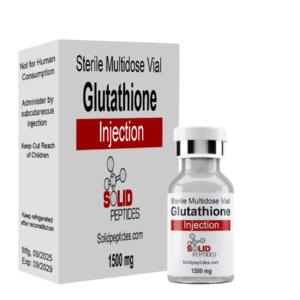
B-12 (10ml)
- Essential Cobalt-Containing Vitamin: Cyanocobalamin (C₆₃H₈₈CoN₁₄O₁₄P), 1000 mcg/mL injectable solution
- Methylation Pathway Cofactor: Critical for methionine synthase and methylmalonyl-CoA mutase enzymatic reactions
- Neurological Research Tool: Supports studies in myelin synthesis, DNA methylation, and neuroprotection
- Mechanistic pathway studies
- In vitro receptor profiling
- HPLC verified identity and purity
Ships same-day if ordered before 2PM EST
Research Overview
Vitamin B-12 (cyanocobalamin) is a cobalt-containing water-soluble vitamin essential for cellular metabolism, neurological function, and hematopoiesis. Since its isolation in 1948, which led to a Nobel Prize in Chemistry in 1964, cobalamin has been the subject of thousands of peer-reviewed publications spanning over seven decades of research. As a critical cofactor in human biochemistry, B-12 exists in multiple biologically active forms, with methylcobalamin and adenosylcobalamin serving as the primary coenzymes in vivo.
Cobalamin's unique molecular architecture features a corrin ring structure with a central cobalt atom, distinguished by one of the first carbon-cobalt bonds discovered in biological systems. This structural complexity enables B-12 to participate in only two enzymatic reactions in human metabolism, yet both are absolutely essential: methionine synthase catalyzes the remethylation of homocysteine to methionine (a rate-limiting step in cellular methylation pathways), while methylmalonyl-CoA mutase converts methylmalonyl-CoA to succinyl-CoA (critical for lipid metabolism and myelin synthesis). Injectable formulations bypass gastrointestinal absorption limitations, making them particularly valuable for research into pernicious anemia, malabsorption syndromes, and age-related neurological decline.
Current investigations (2024-2025) emphasize B-12's influence on DNA methylation patterns, myelin integrity biomarkers, and the threshold levels required for optimal neurological function. Recent research demonstrates that B-12 deficiency triggers neurological effects extending beyond mere biochemical alterations, including neuroinflammation via CD14 receptor pathways, oxidative stress from homocysteine accumulation, and lysosomal dysfunction impairing autophagy.
Primary Research Applications
Mechanism of Action
Methylation Pathway and Homocysteine Metabolism
Methionine Synthase Cofactor — Methylcobalamin serves as the essential cofactor for methionine synthase (5-methyltetrahydrofolate-homocysteine methyltransferase), which catalyzes the conversion of homocysteine to methionine. This reaction represents the rate-limiting step in the methionine-homocysteine remethylation cycle and is critical for maintaining cellular methylation capacity. Methionine produced by this pathway converts to S-adenosylmethionine (SAM), the universal methyl donor for over 200 methyltransferase reactions including phospholipid synthesis, neurotransmitter biosynthesis, DNA and histone methylation, and myelin protein methylation.
Myelin Synthesis and Neurological Function
Methylmalonyl-CoA Mutase — Adenosylcobalamin functions as a cofactor for methylmalonyl-CoA mutase in mitochondria, catalyzing the isomerization of L-methylmalonyl-CoA to succinyl-CoA. This reaction is essential for metabolism of odd-chain fatty acids and branched-chain amino acids, entry into the citric acid cycle for energy production, and synthesis of heme and succinyl-CoA-dependent lipids. In B-12 deficiency, abnormal fatty acid metabolites incorporate into neuronal lipids and myelin, disrupting membrane structure and resulting in defective myelin formation and progressive demyelination.
DNA Methylation and Epigenetic Regulation
SAM Production — B-12 deficiency causes profound alterations in DNA methylation patterns. In animal models, brain B-12 depletion (90% reduction over 20 weeks) correlates with a 40% decrease in global DNA methylation. This hypomethylation appears mechanistically linked to demyelination processes and may explain irreversible neurological sequelae even after B-12 repletion. Supplementary treatment with cyanocobalamin has been shown to increase genome-wide DNA methylation and decrease expression of proinflammatory genes, suggesting a potential role in regulating inflammation through epigenetic mechanisms.
Neuropathic Pain Modulation
Ion Channel and Inflammatory Regulation — Methylcobalamin has been identified as a candidate therapeutic agent for chronic peripheral neuropathic pain through multiple molecular pathways: regulation of T lymphocyte and natural killer cell activity with suppression of inflammatory cytokines (TNF-alpha, IL-6, IL-1beta); decreased excitation and hyperpolarization-induced ion channel activity in medium-sized dorsal root ganglion neurons with reduced expression of pain-sensing ion channels (TRPA1, TRPM8, TRPV1/4); promotion of remyelination by activating Schwann cell differentiation; and methylation of Ras proteins activating ERK and PI3K/Akt pathways for neurite outgrowth and neuronal survival.
“Mechanistic summaries on this page are provided for laboratory reference and should be interpreted within controlled experimental settings only.”
Preclinical Research Summary
In preclinical models, B-12 supplementation has demonstrated significant effects on neurological function and tissue repair processes. A landmark study by Blaise et al. (2012) using TCblR/CD320 knockout mice showed that brain B-12 depletion (90% reduction over 20 weeks) correlates with a 40% decrease in global DNA methylation, providing mechanistic evidence linking DNA hypomethylation to demyelination pathology. This study remains highly cited through 2024-2025 as foundational evidence for B-12's epigenetic regulatory role. Additional research by Mathew et al. (2024) identified novel mechanisms of B-12 deficiency effects on the nervous system, including CD14-mediated neuroinflammation, PTBP1 neuroprotection, and lysosomal dysfunction impairing autophagy in cell culture, rodent, and zebrafish models.
Systematic reviews and meta-analyses have demonstrated clinical benefits of B-12 supplementation in multiple neurological conditions. A 2022 Cureus meta-analysis of 6 randomized controlled trials demonstrated statistically significant pain reduction (p<0.001) and neuropathic symptom improvement (p=0.03) in patients with diabetic neuropathy. A 2020 systematic review covering 24 published articles found Level II evidence for post-herpetic neuralgia and Level III evidence for peripheral polyneuropathy treatment. In hematological research, effective cobalamin therapy has been shown to reverse megaloblastic anemia laboratory abnormalities within 24 hours and reestablish normal bone marrow hematopoiesis within 48 hours, with reticulocyte count increasing after 3-4 days. While these results are promising across multiple research domains, it is important to note that much of the mechanistic research has been conducted in animal models and cell culture systems, with ongoing human clinical trials focused on optimal dosing strategies and route-of-administration comparisons.
Academic References
- Mucha P, Kus F, Cysewski D, Smolenski RT, Tomczyk M (2024). Vitamin B12 Metabolism: A Network of Multi-Protein Mediated Processes. International Journal of Molecular Sciences.
- Mathew P, Di Matteo G, La Rosa P, et al. (2024). Vitamin B12 Deficiency and the Nervous System: Beyond Metabolic Decompensation. International Journal of Molecular Sciences.
- Ramadhani A, Astuti I, Widiastuti MG, Purwanti N (2024). Methylcobalamin as a candidate for chronic peripheral neuropathic pain therapy: review of molecular pharmacology action. Korean Journal of Pain.
- Blaise SA, Nedelec E, Schroeder H, et al. (2012). Vitamin B12 deficiency in the brain leads to DNA hypomethylation in the TCblR/CD320 knockout mouse. Nutrition and Metabolism.
- Halczuk K, Kazmierczak-Baranska J, Karwowski BT, Karmanska A, Cieslak M (2023). Vitamin B12 -- Multifaceted In Vivo Functions and In Vitro Applications. Nutrients.
- Julian T, Syeed R, Glascow N, Angelopoulou E, Zis P (2020). B12 as a Treatment for Peripheral Neuropathic Pain: A Systematic Review. Nutrients.
- Karedath J, Batool A, Arshad MS, et al. (2022). The Impact of Vitamin B12 Supplementation on Clinical Outcomes in Patients With Diabetic Neuropathy: A Meta-Analysis. Cureus.
- Abdelwahab OA, Abdelaziz A, Diab S, et al. (2024). Efficacy of different routes of vitamin B12 supplementation for the treatment of patients with vitamin B12 deficiency: A systematic review and network meta-analysis. Irish Journal of Medical Science.
- StatPearls (2024). Vitamin B12 (Cobalamin). StatPearls Publishing.
- StatPearls (2024). Cyanocobalamin. StatPearls Publishing.
This product is intended exclusively for in vitro laboratory research by qualified professionals. Not for human consumption. Not approved by the FDA.