Research Use Only: This product is supplied for laboratory research and in-vitro studies. Not for human or veterinary administration.
Hover to zoom
Identity Verified: LC-MS
(0 Reviews)
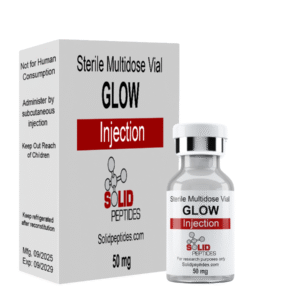
5-Amino-1MQ 50mg (60 Capsules)
- NNMT Inhibitor: Small-molecule inhibitor of nicotinamide N-methyltransferase (IC50 = 1.2 μM), ≥98% purity
- NAD+ Salvage Enhancement: Preserves nicotinamide for NAD+ biosynthesis; elevates intracellular NAD+ by 1.2-1.6-fold
- Metabolic Research: Studied in obesity, muscle aging, cardiovascular function, and neurodegenerative disease models
- Mechanistic pathway studies
- In vitro receptor profiling
- HPLC verified identity and purity
$99.00In Stock
Ships same-day if ordered before 2PM EST
1
Encrypted Checkout
Global Express
Research Overview
5-Amino-1-methylquinolinium (5-Amino-1MQ) is a synthetic small-molecule inhibitor of nicotinamide N-methyltransferase (NNMT), an enzyme increasingly recognized as a central regulator of cellular energy metabolism, methylation homeostasis, and aging biology. Since its first description in the peer-reviewed literature by Neelakantan et al. in 2017, it has been the subject of approximately 15-20 peer-reviewed publications spanning metabolic disease, muscle biology, cardiovascular research, neurodegenerative disease, and cancer metabolism.
5-Amino-1MQ functions as a competitive inhibitor at the nicotinamide substrate site of NNMT, with an IC50 of 1.2 μM against human NNMT. By blocking NNMT activity, the compound preserves nicotinamide availability for the NAD+ salvage pathway, leading to 1.2- to 1.6-fold increases in intracellular NAD+ concentrations. This NAD+ elevation activates sirtuins (particularly SIRT1), enhances mitochondrial function, and preserves methylation capacity by reducing S-adenosylmethionine (SAM) consumption. The compound demonstrates exceptional target selectivity, with no inhibition of related methyltransferases (DNMT1, PRMT3, COMT) or NAD+ salvage enzymes (NAMPT, SIRT1) at concentrations up to 600 μM.
Notable recent developments include the first preclinical study demonstrating NNMT inhibition improves cardiac function and reduces fibrosis in a heart failure model (Li et al., 2025), a comprehensive review of NNMT as a therapeutic target for neurodegenerative disorders (Liu et al., 2025), and emerging evidence that NNMT inhibition counteracts tubular senescence and fibrosis in chronic kidney disease. As of February 2026, no human clinical trials have been registered for 5-Amino-1MQ, and the compound remains classified as an investigational research chemical.
Primary Research Applications
NAD+ Metabolism and Cellular Bioenergetics
Obesity and Adipose Tissue Biology
Type 2 Diabetes and Insulin Resistance
Aging and Longevity Research
Muscle Physiology and Sarcopenia
Cardiovascular Disease Pathogenesis
Neurodegenerative Disease Models
Cancer Metabolism and Oncology
Mechanism of Action
NNMT Inhibition and NAD+ Salvage
Nicotinamide Preservation — 5-Amino-1MQ functions as a NAM-site competitive inhibitor, binding at the active site of NNMT and preventing the enzyme from methylating nicotinamide. This inhibition reduces intracellular 1-methylnicotinamide (1-MNA) production (EC50 = 2.3 μM) and preserves nicotinamide availability for the NAD+ salvage pathway. NAD+ serves as an essential coenzyme in the mitochondrial electron transport chain and as a critical substrate for sirtuins, PARPs, and CD38-type enzymes involved in DNA repair, stress resistance, and metabolic homeostasis.
Adipose Tissue Metabolic Reprogramming
Lipogenesis Inhibition — In adipocyte models, 5-Amino-1MQ suppresses lipogenesis (EC50 = 30 μM in 3T3-L1 adipocytes) while increasing intracellular NAD+ concentrations. NNMT inhibition significantly increases energy expenditure, reduces body weight and white adipose mass, and improves insulin sensitivity. The compound also enhances GLUT4 expression and promotes production of palmitic acid hydroxy stearic acids (PAHSAs), an alternative lipid class exhibiting anti-diabetic and anti-inflammatory properties.
Muscle Stem Cell Reactivation
MuSC Proliferation — In aged skeletal muscle, NNMT overexpression is linked to impaired NAD+ salvage, dysregulated SIRT1 activity, and increased muscle stem cell (MuSC) senescence. Treatment with NNMT inhibitors rescues these age-related deficits by restoring NAD+ availability and supporting metabolic reprogramming during myogenic differentiation. In C2C12 myotubes, NNMT inhibitor treatment produces concentration-dependent increases in NADH levels (50% higher at 30 μM) and reduces NAD+/NADH ratios by 25-40%.
Cardiovascular Metabolic Regulation
Cardiac NAD+ Restoration — NNMT-mediated NAD+ depletion impairs mitochondrial function, sirtuin activity, redox balance, and energy metabolism in cardiac tissue. NNMT upregulation also elevates homocysteine levels, activating pro-inflammatory and pro-oxidative cascades (TLR4-NF-κB and STAT3-IL-1β pathways) linked to atherosclerosis, heart failure, and coronary heart disease. In preclinical heart failure models, NNMT enzyme inhibition markedly reduced cardiac 1-MNA (by 77.1%), improved cardiac function, reduced left ventricular hypertrophy and fibrosis, and decreased pro-inflammatory gene expression.
SAM/Methylation Capacity Preservation
Epigenetic Regulation — NNMT activity consumes S-adenosylmethionine (SAM), the universal methyl donor required for hundreds of methylation reactions throughout the cell. By reducing SAM consumption through NNMT inhibition, 5-Amino-1MQ helps preserve methylation capacity for other critical cellular processes, including DNA and histone methylation (epigenetic regulation), neurotransmitter synthesis, and phospholipid metabolism. In cancer biology and neurodegenerative disease, NNMT-driven SAM depletion alters epigenetic landscapes and gene expression patterns critical for cellular survival.
“Mechanistic summaries on this page are provided for laboratory reference and should be interpreted within controlled experimental settings only.”
Preclinical Research Summary
In diet-induced obese (DIO) mice, treatment with 5-Amino-1MQ at 20 mg/kg/day for 11 days via subcutaneous injection reduced body weight by approximately 5.1%, epididymal fat pad mass by 35%, adipocyte size by more than 30%, and plasma cholesterol by 30%, with no changes in food intake or observable adverse effects (Neelakantan et al., 2017). Combined NNMT inhibitor treatment with reduced-calorie diet achieved 6.3 g cumulative weight loss versus 2.9 g with diet alone, and fat mass reduction was ten-fold greater with treatment (~29.3%) compared to diet switch alone (2.9%), while restoring fatty liver profiles to lean-control levels (Sampson et al., 2021).
In aged skeletal muscle models, NNMT inhibitor treatment increased proliferating/active muscle stem cells by 60-75% following injury, myofiber cross-sectional area increased 1.8-fold at one week post-injury with high-dose treatment, and peak torque of injured muscle increased by 67% compared to control (p = 0.033), with no untoward systemic toxicity observed in plasma chemistry markers (Neelakantan et al., 2019). In aged mice treated for 8 weeks at 10 mg/kg daily, sedentary mice showed approximately 40% greater grip strength than controls, and when combined with exercise, grip strength improved by approximately 60%. Treatment upregulated protein translation components and stimulated the transsulfuration pathway for oxidative stress protection, with no reported adverse events (Dimet-Wiley et al., 2024).
The first cardiovascular study of NNMT enzyme inhibition in a heart failure with preserved ejection fraction (HFpEF) mouse model demonstrated that treatment markedly reduced 1-MNA (by 77.1%), 2PY (by 66.2%), and 4PY (by 71.1%) in cardiac tissue, while improving cardiac function, enhancing global longitudinal strain, reversing peak longitudinal strain rate, and significantly reducing left ventricular hypertrophy and fibrosis. The treatment also decreased pro-inflammatory and pro-fibrotic gene expression with reduced macrophage infiltration (Li et al., 2025). Pharmacokinetic studies in rats demonstrated an oral bioavailability of 38.4%, with a mean Cmax of 2,252 ng/mL and terminal elimination half-lives of 3.80 ± 1.10 hours (IV) and 6.90 ± 1.20 hours (oral) (Awosemo et al., 2021). It is important to note that all current evidence derives from in vitro cellular models and in vivo animal studies, and no human clinical trials have been conducted as of February 2026.
Academic References
- Neelakantan H et al. (2017). Selective and membrane-permeable small molecule inhibitors of nicotinamide N-methyltransferase reverse high fat diet-induced obesity in mice. Biochemical Pharmacology.
- Neelakantan H et al. (2019). Small molecule nicotinamide N-methyltransferase inhibitor activates senescent muscle stem cells and improves regenerative capacity of aged skeletal muscle. Biochemical Pharmacology.
- Dimet-Wiley AL et al. (2024). Nicotinamide N-methyltransferase inhibition mimics and boosts exercise-mediated improvements in muscle function in aged mice. Scientific Reports.
- Sampson CM et al. (2021). Combined nicotinamide N-methyltransferase inhibition and reduced-calorie diet normalizes body composition and enhances metabolic benefits in obese mice. Scientific Reports.
- Awosemo O et al. (2021). Development and validation of LC-MS/MS assay for 5-amino-1-methyl quinolinium in rat plasma: Application to pharmacokinetic and oral bioavailability studies. Journal of Pharmaceutical and Biomedical Analysis.
- Li S et al. (2025). Nicotinamide-N-methyltransferase inhibition improves cardiac function and structure in a heart failure with preserved ejection fraction mouse model. Pharmacological Research.
- Iyamu ID, Huang R (2021). Mechanisms and inhibitors of nicotinamide N-methyltransferase. RSC Medicinal Chemistry.
- Liu JR et al. (2021). Roles of Nicotinamide N-Methyltransferase in Obesity and Type 2 Diabetes. BioMed Research International.
- Li JJ et al. (2024). Nicotinamide N-Methyltransferase (NNMT): A New Hope for Treating Aging and Age-Related Conditions. Metabolites.
- Liu A et al. (2025). Nicotinamide N-methyltransferase as a potential therapeutic target for neurodegenerative disorders: Mechanisms, challenges, and future directions. Experimental Neurology.
This product is intended exclusively for in vitro laboratory research by qualified professionals. Not for human consumption. Not approved by the FDA.